Targeted treatment for tendon pain and tendinopathy
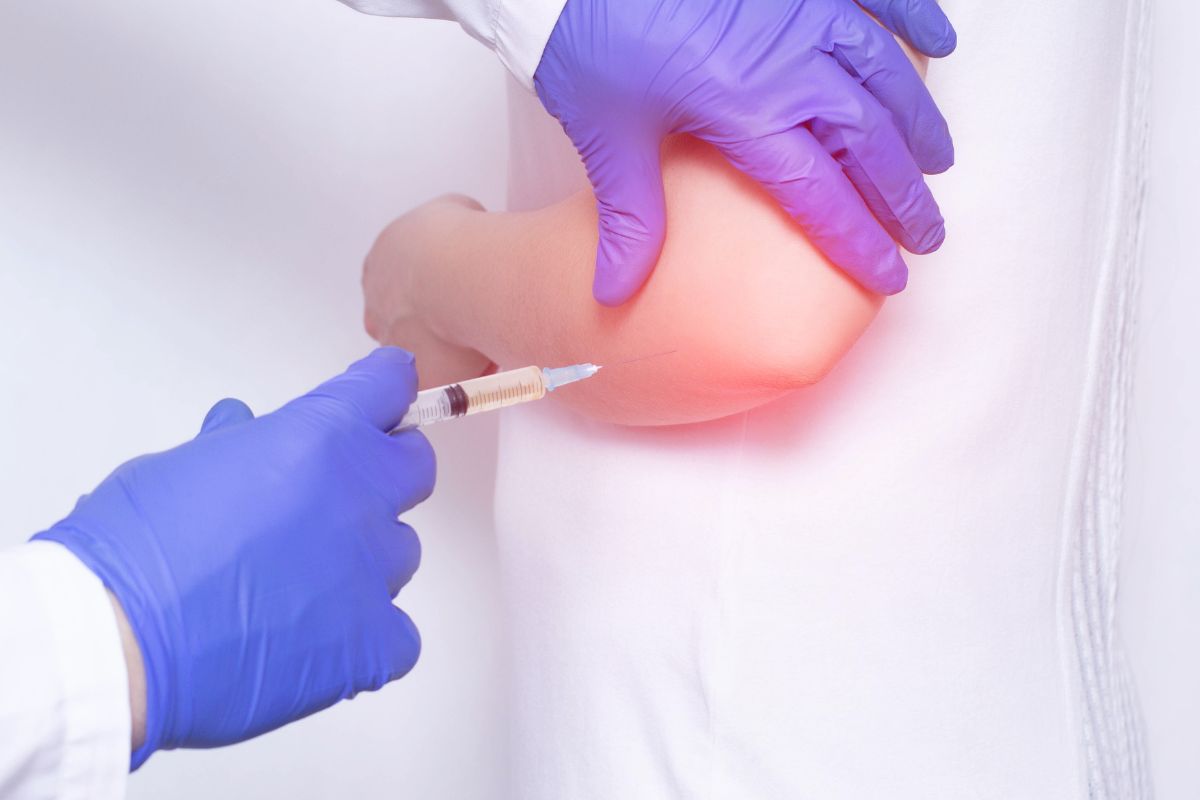

Tendon pain can be frustrating, especially when symptoms do not settle with rest, physiotherapy, activity modification or time.
Tendons respond differently to joints, so the choice of injection treatment needs to be carefully considered. The aim is not simply to mask pain, but to support the tendon environment, reduce irritation where possible and help rehabilitation progress.
Dr Jones offers image-guided tendon injection treatments for selected patients with tendon pain, tendinopathy and persistent soft tissue symptoms.
Depending on the diagnosis, the stage of the problem and the treatment goal, this may include platelet-rich plasma injections, hyaluronic acid injections, or other guided injection options.
Tendon injections are targeted treatments used for painful or irritated tendons.
They may be considered when tendon pain is limiting movement, affecting sport or daily activity, or not improving as expected with physiotherapy and load management.
Common tendon problems include Achilles tendinopathy, patellar tendon pain, tennis elbow, golfer’s elbow, rotator cuff tendon pain, gluteal tendinopathy and other overuse-related tendon conditions.
The most suitable treatment depends on the tendon involved, the severity of symptoms, how long the problem has been present and what has already been tried.
Joint injections are often used to help manage pain, inflammation and stiffness within a joint.
Tendon injections are different because tendon problems are often linked to irritation, overload, changes in tendon structure, or difficulty adapting to repeated stress.
For this reason, tendon injection treatment is usually used alongside a rehabilitation plan rather than as a stand-alone treatment.
The aim is to help create a better environment for recovery, reduce symptoms where appropriate and allow strengthening and movement work to progress.
Platelet-rich plasma, often called PRP, uses a sample of your own blood, which is processed to concentrate the platelets before being injected into the target area.
Platelets contain growth factors and signalling proteins that may help influence the healing environment around an irritated or overloaded tendon.
In tendon care, PRP is often considered when the aim is to stimulate a healing response and support tissue repair, particularly in longer-standing tendinopathy.
It is not a quick painkilling injection. Symptoms may take time to improve, and PRP is usually most effective when combined with the right rehabilitation programme.
Hyaluronic acid is a naturally occurring substance found in the body, including in joints and soft tissues.
In tendon treatment, hyaluronic acid may be used to help improve tendon glide, reduce friction and support the soft tissue environment around an irritated tendon.
It may be considered when pain is linked to irritation around the tendon, tendon sheath problems, or areas where the tendon needs to move smoothly against surrounding tissues.
Unlike PRP, hyaluronic acid is not mainly used to stimulate a healing response. It is more commonly used to support movement, comfort and the mechanical environment around the tendon.
PRP and hyaluronic acid are both injection options, but they work in different ways.
PRP is taken from your own blood and is used to influence the healing environment around the tendon. It is often considered for longer-standing tendon problems where tissue recovery and rehabilitation are the main goals.
Hyaluronic acid is used to support lubrication, glide and comfort around the tendon. It may be more suitable where the issue is irritation, friction or movement-related pain around the tendon or tendon sheath.
The right choice depends on the diagnosis, the tendon involved, your symptoms and what the treatment is trying to achieve.
A tendon injection may be considered if pain is affecting sport, work, walking, lifting or day-to-day activity.
It may also be helpful when symptoms have not improved as expected with rest, physiotherapy, strengthening work or changes to activity.
For some patients, the injection may help reduce pain enough to allow rehabilitation to progress. For others, the aim may be to support the tendon biology or improve the soft tissue environment around the tendon.
The key is choosing the right treatment for the right problem.
The injection is usually performed using image guidance, such as ultrasound, to help identify the tendon and guide the treatment accurately.
The area is cleaned, the target is located and the injection is placed carefully around or near the tendon depending on the condition being treated.
In many cases, the injection is not placed directly into the tendon itself, but around the tendon or tendon sheath. This depends on the diagnosis and the treatment being used.
After the injection, you will usually be given advice on activity, recovery time and when to restart or progress rehabilitation.
Tendon injections work best when they are part of a wider treatment plan.
Most tendon problems need the right balance of rest, loading, strengthening and gradual return to activity. Too much load can keep symptoms irritated, but too little load can leave the tendon weaker and less prepared for sport or daily demands.
A tendon injection may help create a window where symptoms are more manageable and rehabilitation can move forward.
The longer-term goal is not just to reduce pain, but to improve strength, tolerance and confidence.
Recovery after a tendon injection depends on the type of injection, the tendon being treated and the reason for treatment.
Some patients may need a short period of reduced activity before gradually building back up. Others may be able to continue light activity with specific guidance.
You will be advised on what to avoid, when to restart exercise and how to progress your rehabilitation safely.
The aim is to support recovery while reducing the risk of symptoms flaring again too quickly.
If you are struggling with tendon pain, tendinopathy or a sports-related soft tissue problem that is not settling, a consultation can help identify the likely cause and whether injection treatment may be appropriate.
Dr Jones can assess your symptoms, discuss PRP and hyaluronic acid options, and help build a treatment plan that supports recovery, movement and return to activity.
We use cookies and similar technologies to improve your experience on our website. Read our Privacy Policy.