PRP Injections – Platelet-rich plasma injections for selected joint, tendon and sports-related conditions
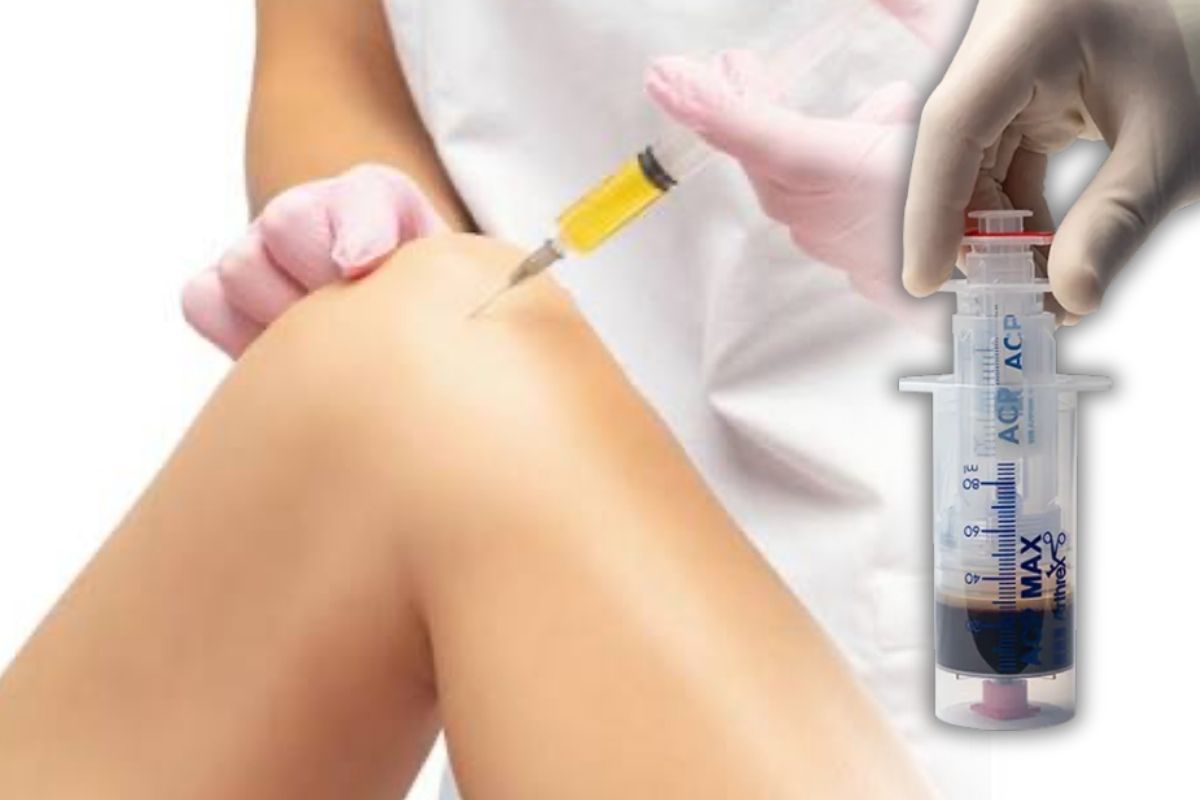

Platelet-rich plasma (PRP) can be a brilliant treatment option alongside a clear rehabilitation and recovery plan.
PRP is an injection treatment prepared from a sample of your own blood.
The blood is processed to produce plasma containing a higher concentration of platelets. This is then injected into the affected joint or tissue, often using ultrasound guidance.
PRP may be considered for certain cases of osteoarthritis, persistent tendon pain and sports-related injuries. It is not suitable for every condition, and the decision to use it should follow a proper assessment and clear diagnosis.
Dr Jones will explain whether PRP is a reasonable option, what the treatment is aiming to achieve and how it fits alongside rehabilitation.
Platelets are naturally found in the blood. They are involved in clotting but also release proteins associated with the body’s normal response to injury.
To prepare PRP, a sample of blood is taken from your arm and placed into a specialist centrifuge. The centrifuge separates the blood into its different components, allowing the platelet-containing plasma to be collected.
This concentrated plasma is then injected back into the area being treated.
Because the injection is prepared from your own blood, PRP is often described as an autologous treatment.
PRP may be considered for selected patients with:
A scan abnormality alone is not usually enough reason to recommend PRP. Many tendon and joint changes can also be found in people without pain.
The treatment decision should be based on your symptoms, clinical examination, previous treatment and what you are hoping to return to.
PRP may be used to help manage pain and reduced function associated with knee osteoarthritis.
The aim is to reduce symptoms and create a better opportunity for movement, strengthening and continued activity. PRP does not remove arthritis, replace worn cartilage or guarantee that joint replacement will be avoided. PRP is considered to have certain rebuilding properties; although it won’t fully heal cartilage damage associated with arthritis, it can calm symptoms.
Tendon pain can sometimes continue despite appropriate physiotherapy, load management and progressive strengthening.
PRP may be considered when:
PRP should not be seen as a replacement for tendon rehabilitation. The injection is intended to support the recovery plan rather than remove the need for gradual loading and strengthening.
A sample of blood is taken from a vein in your arm, in much the same way as a routine blood test.
The blood is then processed in a centrifuge to separate and concentrate the platelet-rich plasma. Once prepared, the PRP, a yellowish colour, sometimes clear and sometimes slightly opaque, is injected into the joint, tendon or surrounding tissue being treated.
Ultrasound guidance is typically used by Dr Jones to ensure the target area and to place the injection done accurately.
The full appointment takes longer than a standard injection because the blood needs to be collected and processed before treatment, but this would be only be around 10-15min extra.
No. PRP treatments can differ considerably.
The final preparation may vary according to:
These differences may affect the final treatment. Dr Jones will explain the system and protocol being used rather than referring to PRP as though every preparation is identical. He ensures the very best systems are used for your care, staying up to date with the latest clinical data.
The number of injections will depend on the condition being treated and the agreed treatment plan.
Some patients may receive a single PRP injection. Others may be advised to have a planned course, particularly for certain joint conditions.
More injections are not automatically better. Dr Jones will explain why a particular approach is being recommended before treatment begins.
It is common for the injected area to feel sore or more irritated for a short period after PRP.
This initial reaction does not necessarily mean that something has gone wrong. The level of discomfort varies depending on the area treated and the nature of the condition. It is important to not stake brufen/NSAIDS to ease any irritation; the short-term inflammation is often a good sign. We do not want to stop that.
PRP does not usually provide immediate pain relief. Improvement, where it occurs, tends to develop gradually over the following weeks.
You will be given advice about activity, exercise and rehabilitation after the procedure. The advice may be different for a joint injection and a tendon injection.
There is no exact timescale that applies to every patient.
Some people begin to notice a difference within a few weeks, while others improve more gradually over several months. Some patients may experience little or no meaningful benefit.
The response can be influenced by the diagnosis, the stage of the condition, the quality of the PRP preparation and how well the rehabilitation plan is followed.
Because PRP is prepared from your own blood, the risk of an allergic reaction to the injected material is low.
However, PRP is still an injection procedure and possible risks include:
Certain medical conditions, blood disorders and medications may affect whether PRP is appropriate. Dr Jones will review your medical history and current medication before recommending treatment.
PRP is unlikely to work well when it is used without a clear diagnosis or follow-up plan.
For joint pain, treatment may sit alongside strengthening, weight management, bracing, activity changes and other osteoarthritis treatments.
For tendon problems, a progressive loading programme remains central to recovery. The injection may help create an opportunity to move rehabilitation forward, but it cannot replace the work required afterwards.
The aim is not simply to perform an injection. It is to help you return to better movement, function and activity.
PRP may be worth discussing when symptoms remain limiting despite appropriate non-operative treatment.
Before making a recommendation, Dr Jones will assess the problem, review any relevant scans, consider what treatment has already been tried and explain the realistic alternatives.
We use cookies and similar technologies to improve your experience on our website. Read our Privacy Policy.