Careful assessment after a head injury or suspected concussion
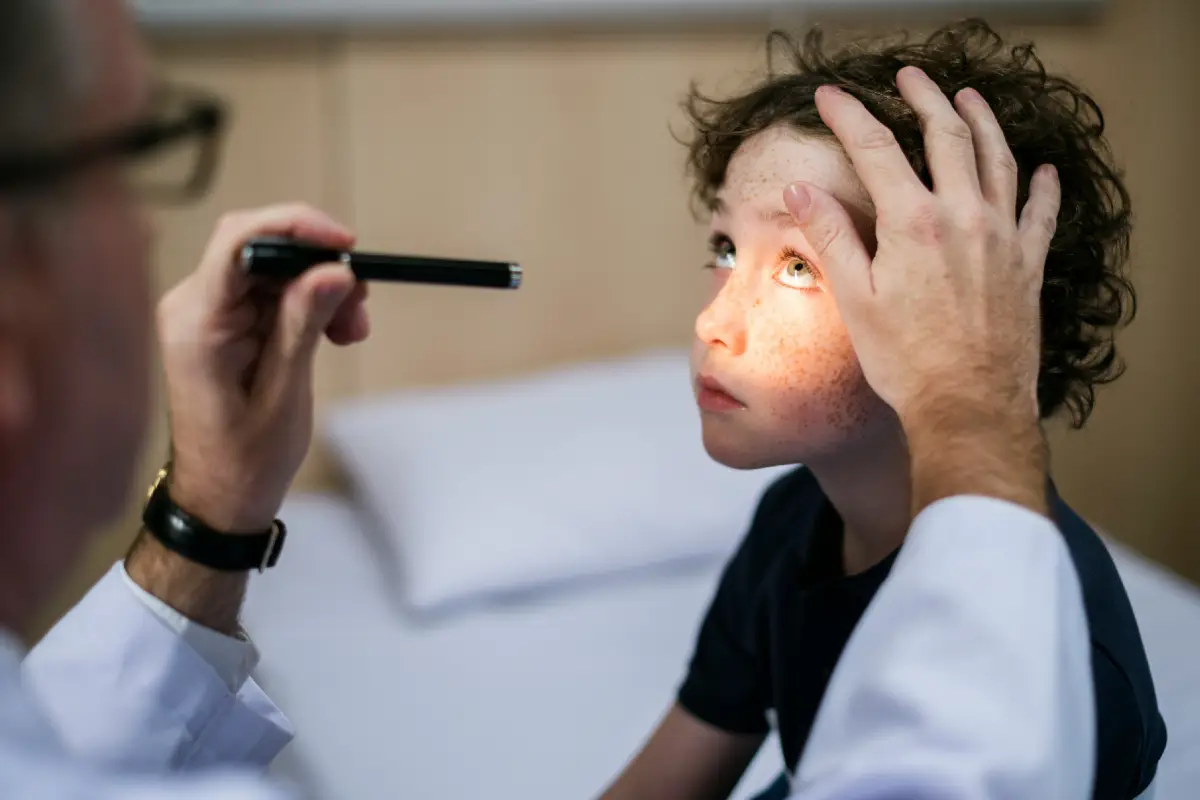

A concussion can happen after a direct blow to the head, face or neck, or from a force that causes the head and brain to move suddenly.
Symptoms can be immediate, but they can also develop over hours or days.
This can make a concussion difficult to judge, especially in sports where the person may initially feel able to continue.
Dr Jones offers assessment and management advice for patients with suspected concussion, sports-related head injuries and ongoing symptoms after a knock or impact.
The aim is to identify symptoms, assess recovery, reduce risk and guide a safe return to school, work, exercise or sport.
Concussion is a form of mild traumatic brain injury caused by a force to the head or body that temporarily affects how the brain functions.
It does not always involve being knocked out. Many people with concussion remain conscious and may still be able to walk, talk or continue playing at first.
Symptoms can affect how you feel physically, mentally and emotionally. They may also affect sleep, concentration, memory, balance and tolerance to light, noise or exercise.
Because symptoms can vary so much, proper assessment is important.
Concussion symptoms can be different from person to person.
Common symptoms may include:
Headache
Dizziness
Nausea
Blurred vision
Balance problems
Feeling slowed down or foggy
Sensitivity to light or noise
Difficulty concentrating
Memory problems
Tiredness or low energy
Sleep disturbance
Irritability or changes in mood
Feeling unusually emotional or anxious
Some symptoms appear quickly. Others may become more obvious later, particularly once the person tries to return to school, work, screens, driving, training or sport.
Concussion should be considered after any head injury or significant impact where symptoms develop afterwards.
Assessment is especially important if symptoms are affecting concentration, balance, sleep, exercise tolerance, work, school or sport.
It may also be helpful if symptoms are lasting longer than expected, returning with activity, or creating uncertainty around when it is safe to return to normal routines.
In sport, concussion should be taken seriously because returning too soon can increase the risk of further injury and prolonged symptoms.
Some symptoms after a head injury need urgent medical attention.
You should seek urgent medical help if there is worsening headache, repeated vomiting, increasing confusion, seizure, weakness or numbness, difficulty speaking, unusual behaviour, loss of consciousness, neck pain, or symptoms that are rapidly getting worse.
If there is any concern about a serious head injury, urgent assessment through emergency care is the safest option.
A concussion assessment usually starts with a detailed discussion about how the injury happened, what symptoms developed and how those symptoms have changed over time.
Dr Jones may ask about headache, dizziness, balance, sleep, memory, concentration, mood, previous concussions and current activity levels.
The assessment may also include checks of balance, eye movement, coordination, neck symptoms and exercise tolerance where appropriate.
The aim is to understand whether symptoms are consistent with concussion, whether further assessment is needed and how recovery should be managed.
Most people recover well from concussion, but recovery should be managed carefully.
In the early stages, a short period of relative rest may be helpful. This does not usually mean complete bed rest, but it may involve reducing activities that make symptoms worse, such as intense exercise, heavy screen use, alcohol, driving or contact sport.
As symptoms improve, activity can usually be built back up gradually.
The return to sport process should be staged, with each step only progressing if symptoms remain settled.
Returning to sport after concussion should not be rushed.
A graduated return-to-play plan usually starts with light activity, then progresses through sport-specific exercise, non-contact training, full training and finally return to competition.
The timing depends on symptoms, age, sport, previous concussion history and how the person responds as activity increases.
For contact or collision sports, medical guidance is particularly important before returning to full training or match play.
Some people continue to experience symptoms beyond the expected recovery period.
This may include headaches, dizziness, fatigue, poor concentration, sleep disturbance, visual symptoms, neck pain or difficulty tolerating exercise.
Persistent symptoms can be frustrating, especially for active patients and athletes.
Further assessment can help identify what may be driving the symptoms and whether specific support is needed, such as vestibular rehabilitation, neck treatment, exercise progression, school or work adjustments, or referral to another specialist.
After a concussion assessment, you should have a clearer understanding of your symptoms, what to avoid, how to manage recovery and when to progress activity.
You may be given advice around rest, screen use, work, school, driving, exercise, training and return to sport.
The goal is to support recovery while reducing the risk of symptoms being prolonged or returning too soon.
If you have had a head injury, suspected concussion or ongoing symptoms after sport or impact, a concussion assessment can help guide safe recovery and return to activity.
Dr Jones can assess your symptoms, discuss your recovery and provide practical advice on the safest next steps.
We use cookies and similar technologies to improve your experience on our website. Read our Privacy Policy.